Tuesday, March 6, 2012

Ahly hope Ethiopian Coffee not too strong


Al Ahly assistant coach Mohammed Yousef returned to the team camp in the UAE after scouting Ethiopian Coffee during their victorious Sunday game against Coin Nord Mitsamiouli.

Yousef who was sent by the head coach Manuel Jose to Addis with specific directives confirmed to SuperSport that he had completed his assignment and has already met with the Al Ahly coaching staff.

AL Ahly can not afford to take the Ethiopians for granted as they feature a potent three pronged attack which out scored Nord Mitsamiouli 4 -1. EC are the current Ethiopian League Champions and have won both the Ethiopian Super Cup and the regular Cup a record four times each.

Meanwhile the Egyptians will end their Camp in the UAE on March the 10th and return home to start domestic preparation in ernest.
http://www.supersport.com

Friday, March 2, 2012

A tale of two chefs: Marcus Samuelsson and Roblé Ali


(CNN) - Marcus Samuelsson and Roblé Ali are two different chefs.

Samuelsson, 41, is an established name amongst foodies and the proprietor of Red Rooster, a renown Harlem restaurant.

Ali, 27, is an up and coming chef and animated reality-show star who works full time as an established caterer.

Samuelsson has made a name for himself embracing his identity as both a black chef and a Swedish immigrant to the United States, but younger chefs like Ali find themselves pushing back against being known simply as a “black chef.” Ali, who’s still building his brand, was frustrated when a blog author unexpectedly labeled him a “hip-hop chef.”

“Who takes you serious when you’re the hip hop chef?” said Ali. “And why am I the hip hop chef, because I’m black? I’m not break dancing.”

For decades, many African Americans were reluctant to enter a profession they associated with servitude and slavery. Cooking was reminiscent of second-class citizenship, and antiquated images of Aunt Jemima and Uncle Ben dominated the nation’s associations of blacks and kitchens.

“George Washington had a slave chef, as did Thomas Jefferson. It ai
n’t nothing new,” said Jessica Harris, a culinary scholar and the author of books on the foods of the African Diaspora. “I think that has lifted in many families, but I don’t think that it has lifted in all African-American families.”


Call for the Registry of Adwa as UNESCO World Heritage Sit


 የአድዋ ተጋድሎ መልከ ብዙ ነው፡፡ኢትዮጵያውያን በዚያን ዘመን ያለ ልዩነት ለአንድነት፤ለሃገር ሉዓላዊነት እና ሰብዓዊ ህልውና ባህር ተሻግሮ የናቃቸውን የደፈራቸውን የታገሉበት ታላቅ የጦር አውድማ፡፡ግን አድዋ እንዲህ አይነት ትንቅንቅ ብቻ አልነበረም…ምናልባትም በሰው ልጅ ታሪክ አንዲት አውሮፓዊት የነጮች ሃገር በምስራቅ አፍሪካ የጦር አውድማ ተሸነፈች፡፡ነጭ ወታደሮች በኢትዮጵያውያኑ ምድር እና ፊት በአሸናፊነት መቆም ስለተሳናቸው በነፍሴ አውጪኝ ፈረጠጡ፡፡አሁንም ምናልባትም በታሪክ ለመጀመሪያ ጊዜ የአውሮፓዊቷ ሃገር ነጭ ወታደሮች በጥቁሮች እጅ ምርኮ ሆኑ፡፡ሽንፈታቸውን በፀጋ ተቀብለው ምህረት እና ድርድር ለመኑ፡፡የመቀሌ ዩኒቨርሲቲው ፕሮፌሰር አየለ በከሪ ይህ ለነፃነት የተደረገ ተጋድሎ እና የጦር አውድማው በዩኔስኮ የአለም ቅርስ መዝገብ ሊሰፍር ይገባል ሲሉ ይሞግታሉ፡፡ግን ጣሊያኖች ከአመታት በፊት እጅ የሰጡበት የአድዋ ጦርነት እንዲህ ባለ መድረክ ቢሰፍር ምን ይሰማቸዋል?


Ethiopia was brought to the world’s attention in 1896 when an African country with no industry of weaponry and with mostly bare-footed soldiers, defeated Italy, a modern European country, at the battle of Adwa. The 116th Year anniversary of the victory is being celebrated on March 1st in Ethiopia. This year I am fortunate enough to celebrate the victory in Adwa by attending the fifth annual conference on the history and meaning of the Battle of Adwa. It is also celebrated throughout the world, for Adwa stands for human dignity, freedom and independence. As such its significance is universal and its story should be told repeatedly. Its narrative ought to be embraced by young and old, men and women. The Battle Adwa should be listed as a World Heritage.

To Teshale Tibebu, “the Battle of Adwa was the largest battle between European imperialism and African resistance.” According to Donald Levine, “the Battle of Adwa qualifies as a historic event which represented the first time since the beginning of European imperial expansion that a nonwhite nation had defeated a European power.” The historic event has brought or signaled the beginning of the end of colonial world order, and a movement to an anti-colonial world order.

It was a victory of an African army in the true sense of the word. The Battle was planned and executed by African generals and intelligence officers led by Emperor Menelik II, who was born, brought up, and educated in Ethiopia. It was a brilliant and indigenous strategy that put a check to the colonial aims and objectives, which were originally conceived and agreed upon at the Berlin Conference of 1885. European strategy to carve Africa into external and exclusive spheres of influence was halted by Emperor Menelik II and Empress Taitu Betul at the Battle of Adwa. The Europeans had no choice but to recognize this African (not European) power.

Universality of the Victory at the Battle of Adwa

The African world celebrated and embraced this historic victory. In the preface to the book An Introduction to African Civilizations With Main Currents in Ethiopian History, Huggins and Jackson write: “In Ethiopia, the military genius of Menelik II was in the best tradition of Piankhi, the great ruler of ancient Egypt and Nubia or ancient Ethiopia, who drove out the Italians in 1896 and maintained the liberties of that ancient free empire of Black men.” Huggins and Jackson analyzed the victory not only in terms of its significance to the postcolonial African world, but also in terms of its linkage to the tradition of ancient African glories and victories.

Emperor Menelik II used his “magic wand” to draw all, the diverse and voluntary patriots from virtually the entire parts of the country, into a battlefield called Adwa. And in less than six hours, the enemy is decisively defeated. The overconfident and never to be defeated European army fell under the great military strategy of an African army. The strategy was what the Ethiopians call afena, an Ethiopian version of blitzkrieg that encircles the enemy and cuts its head. Italians failed to match the British and the French in establishing a colonial empire in Africa. In fact, by their humiliating defeat, the Italians made the British and the French colonizers jittery. The colonial subjects became reenergized to resist the colonial empire builders.

Adwa and Ethiopia’s Nationhood

Adwa irreversibly broadened the true boundaries of Ethiopia and Ethiopians. People of the south and the north and the east and the west fought and defeated the Italian army. In the process, a new Ethiopia is born.

Adwa shows what can be achieved when united forces work for a common goal. Adwa brought the best out of so many forces that were accustomed to waging battles against each other. Forces of destruction and division ceased their endless squabbles and redirect their united campaign against the common enemy. They chose to redefine themselves as one and unequivocally expressed their rejection of colonialism. They came together in search of freedom or the preservation and expansion of the freedom at hand. In other words, Adwa offers the most dramatic instance of trans-ethnic cooperation.

Leadership

Emperor Menelik II could have kept the momentum by reforming his government and by allowing the many forces to continue participating in the making of a modern and good for all state. Emperor Menelik II, however, chose to return back to the status quo, a status of exploitative relationship between the few who controlled the land and the vast majority of the agrarian farmers. It took another almost eighty years to dismantle the yoke of feudalism from the backs of the vast majority of the Ethiopian farmers.

As far as Emperor Menelik’s challenge to and reversal of colonialism in Ethiopia is concerned, his accomplishment was historic and an indisputable fact. It is precisely this brilliant and decisive victory against the European colonial army that has inspired the colonized and the oppressed throughout the world to forge ahead and fight against their colonial masters.

Menelik’s rapprochement, on the other hand, with the three colonial powers in the region may have saved his monarchial power, but the policy ended up hurting the whole region. The seeds of division sown by the colonizers, in part, continue to wreck the region apart.

Realizing the need to completely remove all the colonizers as an effective and lasting way to bring peace and prosperity in the region, the grandson of the Emperor, Lij Iyassu attempted to carve anti-colonial policy. He began to send arms to freedom fighters in Eritrea, Djibouti, and Somalia. He entered into a treaty of peace and cooperation with the Austrians, the Germans and the Turks against the British, Italians and the French. Unfortunately, the rule of Lij Iyassu was short-lived. The tri-partite powers colluded with the then Tafari Makonnen to successfully remove him from power.

Adwa symbolizes the aspirations and hopes of all oppressed people. Adwa catapulted Pan-Africanism into the realm of the possible by reigniting the imaginations of Africans in their quest for freedom throughout the world. Adwa foreshadowed the outcome of the anti-colonial struggle in Africa and elsewhere. Adwa is about cultural resistance; it is about reaffirmation of African ways. Adwa was possible not simply because of brilliant and courageous leadership, but also because of the people’s willingness to defend their motherland, regardless of ethnic, linguistic and religious differences.


Call for the Registry of the Battle of Adwa as World Heritage

A World Heritage Site is a site of ‘cultural and/or natural significance.’ It is also a site so exceptional, according to UNESCO, as to transcend national boundaries and to be of common importance for present and future generations of all humanity. The 1896 final Battle of Adwa and the successive preceding battles at sites, such as Mekelle between Ethiopia and Italy qualify, we argue, as a World Heritage Site. The victory achieved at the Battle of Adwa set the stage for international relations among nations on the basis of mutuality, reciprocity and transparency. Decolonization in Africa began with a victory against Italian colonial aggression in the Horn of Africa.

The Battle of Adwa was a global historic event, for it was a battle heroically and victoriously fought against colonialism and for freedom. It was a battle that stopped the colonial aggressions of Europeans in Africa. It was a battle that taught an unforgettable lesson to Europeans. They were reminded that they may co-exist or work with Africans, Asians or the Americans, but they cannot dominate them or exploit their resources indefinitely. Domination gives rise to resistance and the Battle of Adwa made it clear that domination or aggression can be decisively be defeated.

The mountains of Adwa, the mountains of Abi Adi Worq Amba and the hills of Mekelle ought to be marked as natural historic sites and, therefore, together with the battlefield, they should be protected, conserved and promoted in the context of its historic importance and ecological tourism.

Background on UNESCO World Heritage Sites:

At present, 900 sites are on World Heritage list. Only 9% of the World Heritage sites are in Africa, while 50% of them are in Europe and North America. While Ethiopia succeeded to have only 9 World Heritage sites, Italy has registered so far 43 sites! In Africa, the Battlefields of South Africa have registered as a World Heritage. Several Battles are registered throughout the world and throughout history and it is time that the Battle of Adwa is included in the list.

Adwa was a story of common purpose and common destiny. The principles established on the battlefield of Adwa must be understood and embraced for Africa to remain centered in its own histories, cultures and socioeconomic development. We should always remember that Adwa was won for Africans. Adwa indeed is an African model of victory and resistance. As Levine puts it: “Adwa remains the most outstanding symbol of the ‘mysterious magnetism’ that holds Ethiopia together.”

It is our contention that the Battle of Adwa was a battle that paved the way for a world of justice, mutual respect and co-existence. The Battle of Adwa was a battle for human dignity and therefore its story should be universally recognized and be told again and again. Registering the Battle will ensure the dynamic dispersion of its narrative in all the discourses of the world.

The lessons of the Battle of Adwa ought to be inculcated in the minds of young people so that they would be able to appreciate humanity as one without hierarchy. The Battle of Adwa reminds the young people that no force is powerful enough to impose its will against another people. Ethiopians, despite their disadvantage in modern weaponry, decisively defeated the Italian Army at the Battle of Adwa.

The Battle of Adwa and its cluster, as a great source of timeless inspiration for freedom and independence, should be registered as a World Heritage. This is because that event fulfills the following criterion: the Battle of Adwa is “an important interchange of human values.” Adwa enshrines freedom to everyone.
http://www.tadias.com

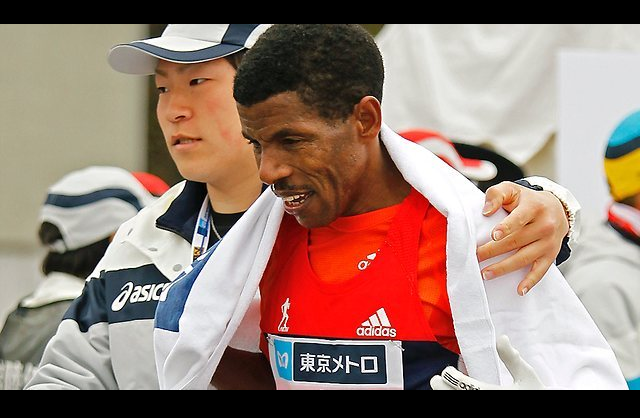
With Hopes of Olympic Gold Fading, Should Haile Consider Retirement?

Haile Gebrselassie ran the Tokyo Marathon this year, hoping to finish with a fast enough time to
warrant an Olympic spot.'

PARIS (AP) - For two decades, Haile Gebrselassie enchanted fans of running with his mastery of the art.
Because he is such a rare athlete, because of his infectious joie de vivre and because he is an all-around admirable guy, it's now somewhat stressful to see him age. The wear and tear of a life that started on a poor, Ethiopian farm are making the double Olympic champion and four-time world champion in the 10,000 meters look increasingly mortal.
The world records in the marathon, 5,000 and 10,000 that once were his belong now to others. With his 39th birthday looming in April, Gebrselassie will never get them back. His ambition of competing at a fifth Olympic Games, in London this July, appears to be fading. His most recent marathon wasn't close to good enough to warrant a place on Ethiopia's Olympic team.
Which all begs the question: Should Gebrselassie retire? It's not that "The Emperor'' of long-distance running suddenly has no clothes. But could he undermine his reputation by competing for much longer? Having done so much right over the years, is he getting the end of his career wrong? Is there such a thing as a messy retirement and, if so, can it tarnish the way in which an athlete is remembered?
The dilemma of how and when to stop isn't, of course, unique to Gebrselassie.
Lance Armstrong must have wrestled with it, too, when he U-turned on retirement and embarked on another two tours of France - in 2009, which turned out well, and 2010, which didn't.
Fans of American football grew familiar with aging Brett Favre's long summers of indecision before the sheer physical punishment of the game forced the star quarterback to retire.
At Manchester United, 38-year-old Ryan Giggs continues to poke Father Time in the eye on a regular basis. His match-winning goal last month in his 900th appearance for the English Premier League champion again showed how wise he's been to keep going.
But the argument that Michael Schumacher should have remained retired will gain traction if the seven-time Formula One champion fails again this season, the third of his comeback, to win a race.
Gebrselassie's manager, Jos Hermens, who first spotted the compact, fluid runner with a barrel chest at a cross-country race for juniors in Ethiopia in 1991, says there's no single, correct way for an athlete to retire.
Still, he wants Gebrselassie to finish his career with the same grace with which he runs. "I don't want him to think in five years ... I should have stopped earlier,'' Hermens says.

Thursday, March 1, 2012

Israel’s first Ethiopian-born ambassador for Ethiopia


By Ministry of Foreign Affairs
Twenty-eight years after making aliya from Ethiopia, Belaynesh Zevadia will return to her birthplace in the summer – this time as Israel’s ambassador.

The Foreign Ministry’s appointments committee on Tuesday announced Zevadia’s appointment to Addis Ababa.

The 44-year-old will be Israel’s first Ethiopian-born ambassador.

“It is a great honor to be appointed ambassador, and especially the first ambassador from the Ethiopian community,” she said. “I made aliya as a youth and am returning to Ethiopia as an ambassador.”

Zevadia said her appointment was proof that Israel gives opportunities to all, veteran citizens as well as new immigrants.

Foreign Minister Avigdor Liberman said that the decision to appoint Zevadia, besides the fact that she is a “talented diplomat,” was also “an important message to Israel, which is currently fighting racism against the Ethiopian community.”

The appointment was a sign of “fighting against prejudice,” he said.

“I am convinced that she will represent Israel with honor and bring pride to the Ethiopian community,” Liberman said. “In Israel people are judged not by their skin color or sex, but rather by their ability to contribute.”

Zevadia, who joined the Foreign Ministry in 1993 as its first Ethiopian-born diplomat, served previously at the consulates in Houston and Chicago.

She grew up in the village of Ambova in the Gondar province, and arrived in Israel at the age of 16 on a Jewish Agency scholarship to study at the Hebrew University.

After attending Jerusalem’s Ulpan Etzion, Zevadia went to work for the Jewish Agency during Operation Moses, the airlift from November 21, 1984 to January 5, 1985, that brought some 8,000 Ethiopian Jews to the country. She worked in helping ease initial absorption pains for the immigrants.

Zevadia’s father was the head kes (religious leader) in Gondar, and died three years after coming to Israel, in 1989.

She has a BA in international relations, and an MA in anthropology and African studies, from the Hebrew University.

MK Danny Danon, head of the Knesset’s Immigration and Absorption committee, characterized the appointment as a “victory for Ethiopian aliya.”

Zevadia was a role model for the entire Ethiopian community and clearly illustrated the phrase that “black is only a color,” he said.

Danon, who said he would dedicate an upcoming committee meeting in her honor, said the appointment gave hope to the community of better integration into society.

Interior Minister Eli Yishai also congratulated Zevadia on her appointment, saying that while it was an important step in stamping out racism, much still needed to be done to eradicate prejudice toward both new and veteran immigrants.

The appointments have to go to the cabinet for final approval.
http://www.jpost.com

Ethiopian Exile for Yemen's Saleh?


Aides close to ousted Yemeni president Ali Abdullah Saleh say he will be retiring to an Addis Ababa villa in Ethiopia.


Aides to former Yemeni president Ali Abdullah Saleh said Monday that he plans to go into exile in Ethiopia.

The news that the longtime Yemeni leader might depart for Ethiopia is only the latest turn in Saleh’s tortuous exit from power.

Rumors have circulated in recent months of Saleh seeking refuge in several countries, including Oman and the United Arab Emirates.

The aides told al-Arabiya that Saleh will leave Yemen within two days, along with some of his family members, and will settle in a villa in Addis Ababa.

A diplomat in Sana’a confirmed on condition on anonymity that arrangements had been made for Saleh’s departure for Ethiopia, Gulf New reported.

Saleh has been under heavy pressure from Western and Arab countries to leave the country, and has faced repeated requests by his newly elected successor and the transitional government that Saleh depart.

Newly inaugurated President Abd-Rabbu Mansour Hadi – Saleh's former deputy – was sworn in as president on Saturday following an election aimed at ending more than a year of political turmoil.

Hadi was the only candidate, but is widely seen as an honest broker for reform by both opposition leaders and remaining members of Saleh's old guard.

A power-transfer deal – backed by the US and brokered by the six-member Gulf Cooperation Council – gave Saleh immunity from prosecution in exchange for ending his 33-year rule.
Saleh’s permanent departure from Yemen was not formally required by the agreement, but it was generally understood by all parties that he seek a new home aborad.

It was widely feared that if Saleh stayed in Yemen permanently he would incite riots among the masses, and seek to wield influence through a powerful network of well-placed family members and allies.

Yemeni officials told al-Arabiya said that members of the UN Security Council threatened to freeze Saleh and his family's assets if he stayed in Yemen. They didn't name the member states but one said, “after days of maneuvering, he accepted.”

The U.S. Embassy in Sana’a declined to comment and the Ethiopian Embassy could not immediately be reached for comment.

Saleh’s erratic behavior – as well as his absences from the country – during the tumultuous year of unrest that rocked Yemen is widely seen as having stoked tensions and uncertainty in the country.

Three weeks ago Saleh departed Yemen for the US to receive additional treatment for wounds sustained during a June 2011 assassination attempt, and again it was hoped that he would remain abroad.

However, Saleh insisted on returning to Yemen for Hadi's formal inauguration. It was the first time Saleh and Hadi appeared in public together since the now-former president’s departure for medical treatment in Saudi Arabia after the attempt on his life.

“Two years from now, I will stand in the same place to transfer power to (another) newly elected president,” Hadi told the gathering. Saleh then passed a Yemeni flag to his successor.

According to the transition of power deal that saw Saleh replaced by Hadi, a new president and a new parliament are to be elected within two years and a new constitution should be in place.

But the ceremony did not sit well with many Yemenis. Tens of thousands of protesters took to the streets, calling for Saleh’s prosecution.

“This is a provocation to the Yemeni people,” said Abdu al-Udaimi, a spokesman for the anti-Saleh protest movement. “As if Saleh claims he is stepping down voluntarily.”

ቴዲ አፍሮ የታደገው ነፍስ አገሩ ገባ


‹‹ስለቴዲ አፍሮ የምናገርበት አንደበት የለኝም››  አስመሮም ኃይለ ሥላሴ

የሰው ሕይወት አጥፍቷል በሚል በአሥር ቀናት ውስጥ በሞት እንዲቀጣ ወይም የነፍስ ዋጋ 700 ሺሕ ብር እንዲከፍል የፍርድ ውሳኔ ተላልፎበት፣ አርቲስት ቴዎድሮስ ካሣሁን (ቴዲ አፍሮ) ሙሉ ክፍያውን (700 ሺሕ ብር) ከፍሎ ያተረፈው ኢትዮጵያዊው አስመሮም ኃይለ ሥላሴ ገብረ ኢየሱስ፣ የካቲት 14 ቀን 2004 ዓ.ም ከእስር ተፈታ፡፡ የካቲት 15 ቀን 2004 ዓ.ም አዲስ አበባ ገብቷል፡፡

አስመሮም የቀድሞ የሶማሊያ ግዛት በነበረችው ፑንትላንድ ቦሳሶ ወደብ አካባቢ ከሦስት ዓመታት በፊት በሚኖርበት ቤት ውስጥ ከሌሊቱ 7፡30 ሰዓት ሲሆን በር ሰብረው አደጋ ሊያደርሱበት በሞከሩ ሶማሊያውያን ላይ በወሰደው የመከላከል ዕርምጃ፣ አንድ ሰው ሞቶ ሌላኛው በመቁሰሉ ለእስር መዳረጉንና በመጨረሻም በሞት እንዲቀጣ ወይም ገንዘብ እንዲከፍል ተወስኖበት ነበር፡፡ ለነፍስ ዋጋ ክፈል የተባለውን 700 ሺሕ ብር በአሥር ቀናት ውስጥ ካልከፈለም በዕለተ ዓርብ ጥቅምት 17 ቀን 2004 ዓ.ም ግድያው ይፈጸምበት ነበር፡፡ ጥቅምት 14 ቀን 2004 ዓ.ም አዲስ አበባ ከተማ የምትኖረው እህቱ ልዋም ኃይለ ሥላሴ ወደ ሪፖርተር ጋዜጣ ዝግጅት ክፍል መጥታ ባቀረበችው ጥቆማ መሠረት ሁኔታው በመዘገቡ፣ አርቲስት ቴዎድሮስ ካሣሁን (ቴዲ አፍሮ) በጋዜጣው የወጣውን ዜና በማንበብ አስመሮምን ሊታደገው ችሏል፡፡ ሕይወቱ መትረፉንም በወቅቱ መዘገባችን ይታወሳል፡፡

በፑንትላንድ ግዛት ታስሮ ሦስት ዓመታት ከአንድ ወር የቆየው አስመሮም፣ ስደት የጀመረው በኢትዮጵያ ኤርትራ ጦርነት ወቅት በ1990 ዓ.ም መሆኑን ለሪፖርተር ገልጿል፡፡ ተወልዶ ያደገው አስመራ ከተማ ውስጥ መሆኑን የገለጸው አስመሮም፣ እናትና አባቱ ኢትዮጵያዊ በመሆናቸው በወቅቱ የኤርትራ መንግሥት ያለምንም ሀብትና ንብረት ስላባረራቸው እሱና ጓደኞቹ ወደ ምፅዋ መሰደዳቸውንና ከቤተሰቡ ጋር መለያየቱን ተናግሯል፡፡

ከምፅዋ 2000 ናቅፋ በመክፈል ወደ የመን፣ ከየመን ወደ ሳዑዲ ዓረቢያ ገብቶ የተወሰነ ጊዜ እንደሠራ ተጠርዞ ወደ ኢትዮጵያ መመለሱን የሚናገረው አስመሮም፣ ከቤተሰቦቹ ሲለያይ አድራሻ ባለመቀበሉና ኢትዮጵያንም ሆነ ኢትዮጵያዊ ዘመዶቹን ስለማያውቃቸው፣ አዲስ አበባ መጥቶ በያዛት ገንዘብ ከመዝናናት በስተቀር ምንም ማድረግ አለመቻሉን ገልጿል፡፡

ለአሥር ጊዜያት ስደትን ሞክሮ ከተወሰነ ጊዜ የሥራ ቆይታ በስተቀር ተረጋግቶ መሥራት አለመቻሉን፣ እዚያ ሆኖ ሲሠራ ለቤተሰቡ ገንዘብ የሚልክበት አድራሻ ስለሌለው ሌሎች ለቤተሰብ ሲልኩ ያዝን እንደነበር ገልጾ፣ በስምንተኛው የስደት ጉዞው ወንድሙን ጅዳ እስር ቤት ውስጥ እንዳገኘውና አብረው ተጠርዘው ወደ ኢትዮጵያ ከመጡ በኋላ ቤተሰቦቹን ማግኘቱን አውስቷል፡፡

ቤተሰቦቹን (አባቱን፣ እህትና ወንድሞቹን) መቀሌ ሄዶ ካገኘና አብሯቸው የተወሰነ ጊዜ ከተቀመጠ በኋላ ምንም የሚሠራው በማጣቱና አባቱ ሲቸገሩ (እናቱ በሕይወት የሉም) ማየት ያልቻለው አስመሮም፣ ተመልሶ ወደ ስደት መጓዙን ገልጿል፡፡ የተወሰነ ጊዜ ቤተሰቡን ከረዳ በኋላም ተጠርዞ እንደገና መመለሱንና ለመጨረሻ ጊዜ ወደ ስደት ሲሄድ ከሐረር ወደ የመን የተጓዘች ፈሪሀ አብዲ የተባለችን ልጅ ማግኘቱንና በፍቅር አብረው መኖር መጀመራቸውን ተናግሯል፡፡

ከፈሪሀ ጋር በፑንትላንድ ግዛት ቦሳሶ ወደብ ላይ ሻይ ቤት መክፈታቸውንና ሦስት ልጆች መውለዳቸውን የገለጸው አስመሮም፣ ሁለቱን ልጆቻቸውን ወደ ኢትዮጵያ ልከው የመጨረሻዋን ልጅ ይዘው በጋራ እየሠሩ እያሉ ከሦስት ዓመት በፊት ያልጠበቁት ችግር እንደገጠማቸው ገልጿል፡፡

አምስት ሶማሊያውያን ከሌሊቱ 7፡30 ሰዓት ሲሆን የመኖሪያ ቤታቸውን ሰብረው በመግባት ሊያደርሱባቸው የነበረውን አደጋ ለመከላከል ባደረገው ትግል አንድ ሰው በመሞቱና አንዱ በመቁሰሉ ለእስር መዳረጉንም ተናግሯል፡፡ የአንድ ወር ሕፃን ይዘው ይኼ አደጋ በመፈጠሩ የልጆቹ እናትና እህቷ የደረሱበትን ሳያውቅ የታሰረው አስመሮም፣ በወቅቱ ለማምለጥ ቢሞክርም በቁጥጥር ሥር መዋሉን ገልጿል፡፡ ከ20 ቀናት ቆይታ በኋላ ፍርድ ቤት ቢቀርብም የተፈረደበት ሞት መሆኑን የገለጸው አስመሮም፣ የነበረውን ሁኔታ ያውቁ የነበሩ የቦሳሶ ወደብ ነዋሪዎች ፍርዱን መቃወማቸውንና የኢትዮጵያ ቆንስላዎችም ጣልቃ በመግባታቸው የሞት ፍርዱ ወዲያው ተግባራዊ መሆን እንዳልቻለ ገልጿል፡፡

ፀቡ እንደተፈጠረ ለጊዜው በመጥፋቱ 250 ኢትዮጵያውያን ታስረው እንደነበርና እሱ ተይዞ ሲቀርብ ወደ ኢትዮጵያ እንዲመለሱ መደረጉን ማወቁንም ተናግሯል፡፡ የገደለው ሶማሊያዊ ‹‹ዑስማን መሀመድ›› የሚባል ጎሣ ዝርያ አባል በመሆኑ ከፍተኛ ክብር እንዳላቸውና እነሱን መንካት ከፍተኛ ቅጣት የሚያስቀጣ መሆኑን፣ ፖሊሱም፣ ዳኛውም የአገሪቱም መንግሥትም የሚያደላው ለእነሱ መሆኑን አስመሮም ፍርድ ቤት ሲመላለስ ማወቁን ተናግሯል፡፡

በአካባቢ ነዋሪዎችና በኢትዮጵያም ቆንስላ ተፅዕኖ በድጋሚ ወህኒ ቤት ውስጥ ባለች አንድ ክፍል ውስጥ ዳኞች ተሰይመው ለፍርድ ቢቀርብም፣ እንደገና በሞት እንዲቀጣ እንደተወሰነበት ገልጿል፡፡ በሶማሊያ ሞት የተፈረደበት የሚገደለው ከጠዋቱ 11 ሰዓት ላይ ሲሆን፣ ከሦስት ወራት በፊት አንድ ቀን እሱንም ከእስር ቤት አስወጥተውት ሊገድሉት ይመጣሉ፡፡ የማረሚያ ቤቱ ኃላፊ ‹‹አስመሮም ልትገደል ነውና የምትናዘዘው ካለህ እዚህ ላይ ጻፍና ፈርም፤ ይኼው መኪናና ሽማግሌዎች ቀርበዋል፤ በቀብር ቦታም ሌሎች ሽማግሌዎች እየጠበቁ ነው ፍጠን፤›› እንዳለው ይናገራል፡፡

‹‹ትንሽ አሰብኩ፤ ተስፋ የለኝም፤ ቆም ብዬ ሳስብ ሶማሌ የገንዘብ ነገር እንደማይሆንለት ተገነዘብኩ፤ ከዚያም አዛዡን አንድ ነገር ተባበረኝ አልኩት፤ ከአንድ ሐበሻ ዘንድ ከ15 እስከ 20 ሺሕ ዶላር ስላለኝ ተቀበልና ለቤተሰቦቼ ላክልኝ አልኩት፡፡ እሽ ምን ልርዳህ አለኝ፡፡ ሞባይል ስጠኝ አልኩት፤ ቦሳሶ ወደሚኖርና የእኔን ጉዳይ ለሚከታተል ጓደኛዬ ደውዬ የሆነውን ሁሉ ነገርኩት፤›› የሚለው አስመሮም፣ ጓደኛው ተሯሩጦ በፑንትላንድ ለኢትዮጵያ ተወካዮች በመናገሩ፣ የአገሩ መንግሥት ግድያው እንዲቆም በማዘዙ መትረፉን አብራርቷል፡፡

የፈጣሪ ኃይል ስላለበት በሚስጥር ሊገድሉት የነበረውን ሴራ ሁሉ አልፎ እስሩ የፑንትላንድ ኃላፊዎች ወደሚኖሩበት አካባቢ መቀየሩን፣ ኃላፊዎችና ሀብታሞች ከሚበሉበት ዋሚ ከሚባል ሆቴል  በቀን ለቁርስ፣ ለምሳና ለእራት የ30 ዶላር ምግብ እየታዘዘለት ሲመገብ ቆይቶ፣ መጨረሻ ላይ የካቲት 14 ቀን 2004 ዓ.ም መለቀቁንና ለአገሩ መብቃቱን በደስታ ገልጾልናል፡፡

‹‹ስለ ቴዲ አፍሮ የምናገርበት አንደበት የለኝም፤ የኢትዮጵያ ሕዝብ ያመስግንልኝ፤ እኔ ደሃና አቅም የሌለኝ ወንድሙን ስላዳነ፣ እግዚአብሔር ደግሞ ለእሱ የሚያደርግለትን ሁሉ አብዝቶ ያድርግለት፤ በአጠቃላይ የኢትዮጵያ መንግሥት ልዑካንን፣ በፑንትላንድ የኢትዮጵያ ቆንስላ ጄነራል ኮሎኔል አስመላሽ ወልደ ምህረትና ባልደረቦቻቸው፣ እንዲሁም የኢትዮጵያ ሕዝብ ላደረገልኝ ነገር በሙሉ እግዚአብሔር ያክብራችሁ፤›› በማለት አስመሮም ያለውን አክብሮት ገልጿል፡፡
http://www.ethiopianreporter.com/